Sewage Ejector and Drain Pumps: Types, Uses and Maintenance
Compare sewage ejector, effluent, sump and drain pumps, then use the installed model instructions for maintenance and safe fault response.
Why Some Fixtures Need a Pump
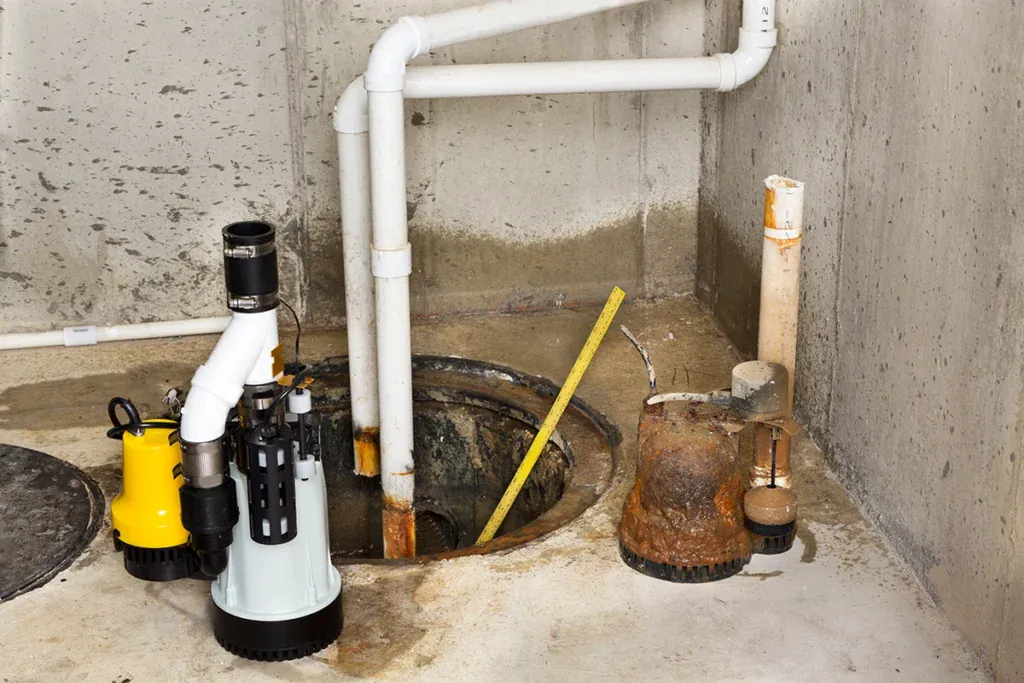
When wastewater cannot reach the receiving drain by gravity, a correctly designed pump system lifts it through a discharge pipe. A sewage ejector serves toilet wastewater when rated for that duty. An effluent pump, groundwater sump pump and small fixture drain pump handle different liquids and solids; they are not automatic substitutes.
Choosing Among Pump Types
Zoeller’s selection guide separates drainage and wastewater applications. A sewage pump’s solids rating, a grinder’s cutting mechanism and the required discharge conditions matter. Horsepower alone does not establish suitability. The technician must account for the liquid being pumped, fixture demand, vertical lift, pipe losses, basin arrangement and the receiving system.
A drain pump may serve a laundry or other fixture where gravity drainage is unavailable. An appliance’s internal drain pump is yet another component: a dishwasher fault does not automatically call for sewage-pump replacement.
Maintenance Starts With Identification
Record the model, basin type, alarm and any backup equipment. Use its manual for service intervals. Keep inappropriate materials such as wipes out of toilet wastewater systems, including those with pumps. Arrange checks of float operation, controls, discharge and check valve. A sewage basin’s cover and vent are functional parts of the system; do not remove the cover to perform a casual household test.
What to Do When a Pump Fails
Stop using fixtures feeding the affected system if water backs up or its alarm signals high water. Keep children and pets away from sewage and stay clear of water near electrical equipment. Do not bypass a float, repeatedly reset a tripping breaker or reach into a powered basin. Call for diagnosis rather than assuming the pump motor is the only cause.
Clog Heroes sewage-pump services cover the plumbing pump discussion. Septic-tank pumping is outside the company’s confirmed scope. A groundwater pump also does not guarantee waterproofing or correct every sewer backup.
Have a Plumbing Question?
Tell Clog Heroes what you are seeing so the team can confirm the appropriate service and next step. Calls are answered 24/7 at (540) 518-2564.
Filed under Wells & Pumps · All Guides
More Wells & Pumps Guides
Shallow-Well Pumps: How Jet Systems Work
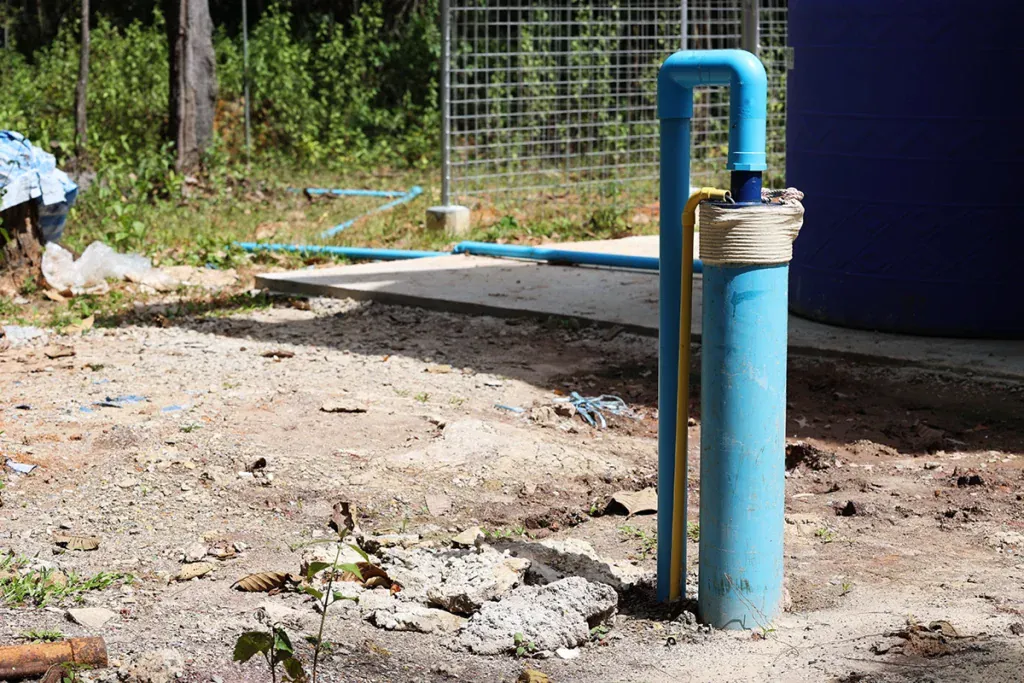
Learn how shallow-well jet pumps differ from submersible pumps, what sizing depends on and when lost pressure needs professional diagnosis.
Water Softener for Well Water: Test First, Then Size the System to Your Hardness
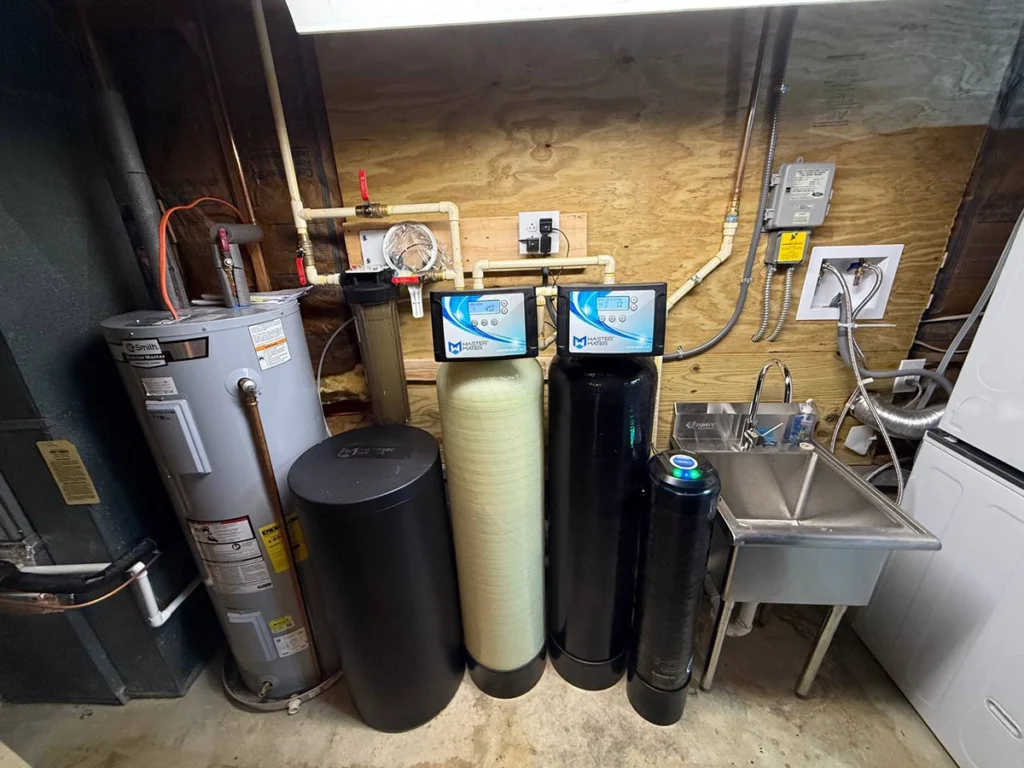
Test the water before you buy a softener. Well water often carries hardness, iron and sediment that city water doesn't, and a result in grains per gallon tells you what the softener has to handle.
How Well Water Works, From the Aquifer to Your Faucet, Part by Part
How does groundwater get from the aquifer to your faucet? A pump near the bottom of the well pushes it up to a pressure tank that holds 40 to 60 PSI, and a switch restarts the pump whenever the pressure drops.