Stop-and-Waste Valves: Shutoff and Drainage Explained
A stop-and-waste valve combines water isolation with a drain feature. Learn its purpose, winterization limits and signs it needs attention.
What Is a Stop-and-Waste Valve?
It combines a water shutoff with a drain feature. The shutoff isolates a downstream section; the drain allows water to be released from the isolated piping when the installation and valve design allow it. The word waste describes that drain feature, not a sewage connection.
NIBCO’s 726-LF listing identifies the product as a stop valve with a drain. Other models use different connections and operating arrangements. Identify the exact valve before treating a small cap or port as something to open.
Why a Shutoff Alone May Not Winterize a Pipe
Closing a supply valve does not prove all downstream water has drained. Pipe pitch, trapped low points, outlet positions and connected equipment affect drainage. Follow the installed valve and outdoor-fixture instructions. Do not assume opening one port protects every connected pipe from freezing.
Safe Operation and Maintenance
Have a plumber show which side the drain serves, how released water is collected and which outlet positions are needed for the installed system. Do not remove caps from an unidentified pressurized valve. A stuck handle, leaking stem, damaged drain cap or flow continuing after shutoff needs repair rather than extra force.
Replacement Depends on the Installation
The replacement must suit potable-water use where applicable, pipe size, connection method and the operating conditions. Installation can require cutting, soldering or other joining work, followed by a pressure and leak check. This is different from adjusting a faucet handle. Use pipe-repair service to discuss a leaking or unreliable valve.
Have a Plumbing Question?
Tell Clog Heroes what you are seeing so the team can confirm the appropriate service and next step. Calls are answered 24/7 at (540) 518-2564.
Filed under Pipes & Fittings · All Guides
More Pipes & Fittings Guides
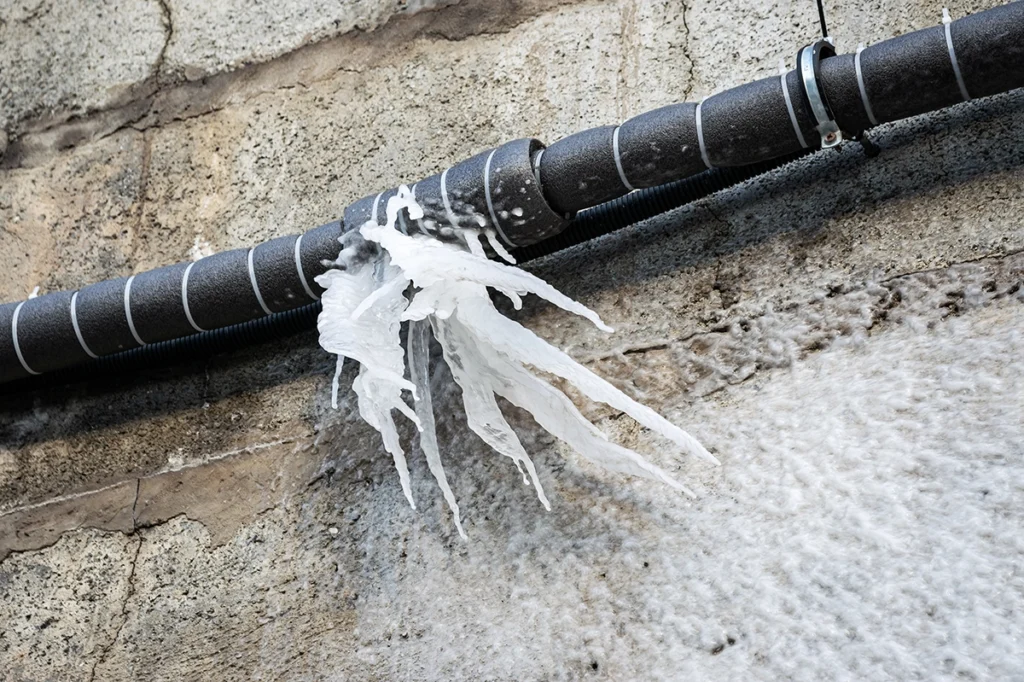
Drip Your Faucets Below 20°F: Which Taps, How Fast and for How Long
Once it stays below 20°F for several hours, unprotected pipes are at the most risk. Drip the right faucets at one drop every second or two, and know what to do if a pipe freezes anyway.
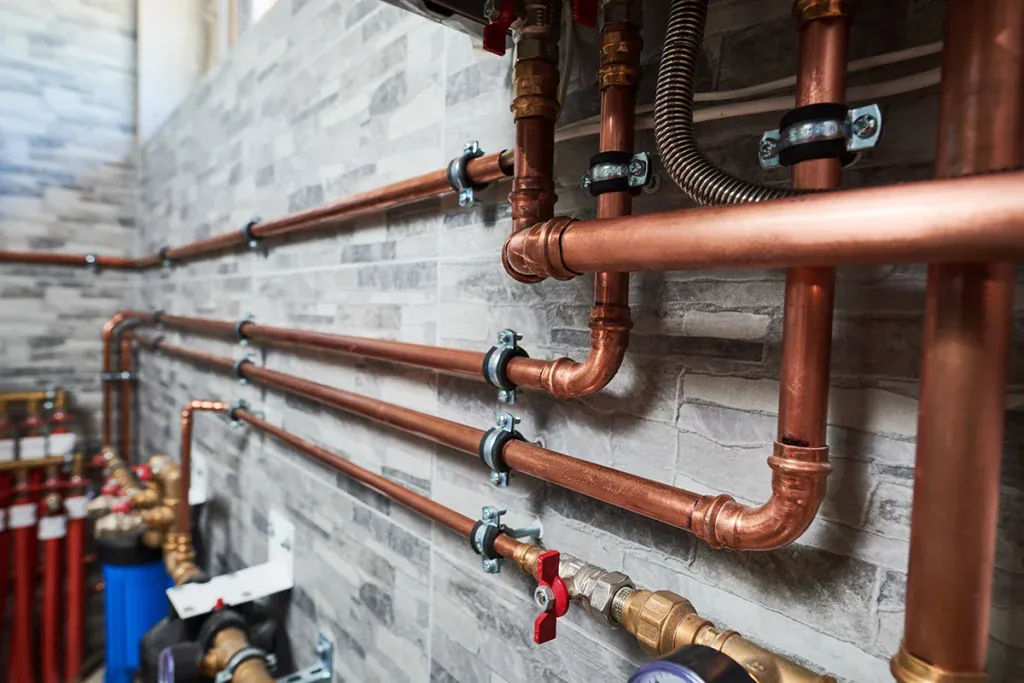
Copper Sweat vs. SharkBite: Which Joint Lasts Longer and When Each One Makes Sense
Decades for a soldered copper joint. Seconds for a SharkBite push fitting, which also works on CPVC and PEX. Durability, code and cost decide where each one belongs.
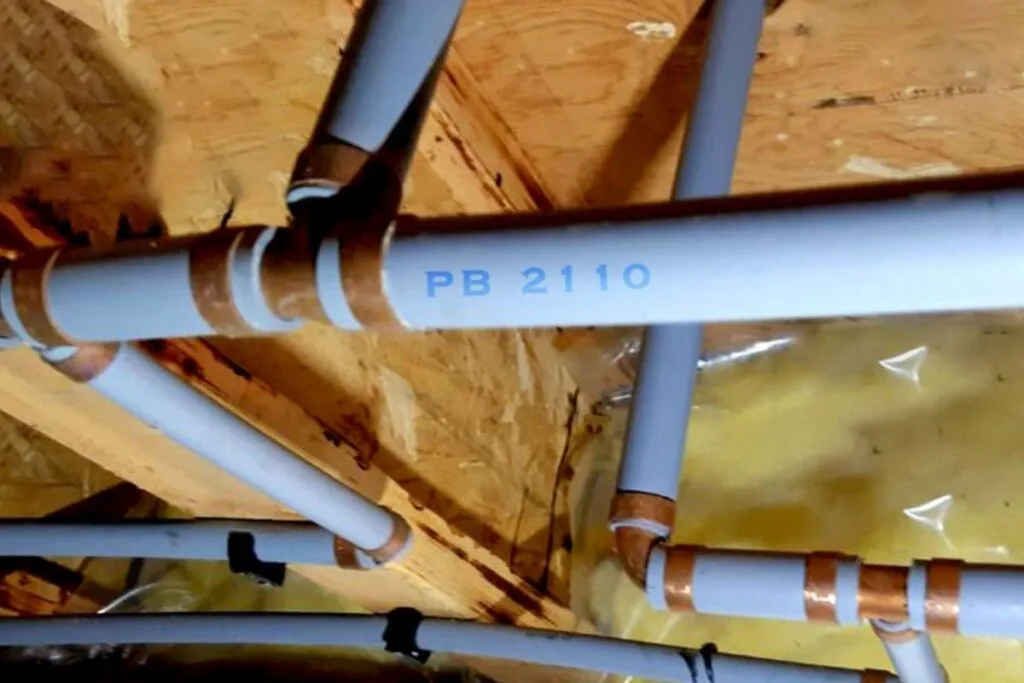
Polybutylene Plumbing: How to Spot It, Why It Fails and When to Replace It
Built between the late 1970s and the mid-1990s? Your house may have polybutylene, a flexible plastic supply pipe that breaks down from the inside. Spotting it is the first step in deciding whether to replace it.