Toilet Overflowing: Stop the Water and Choose the Next Step
Repeated flushing can add water to a blocked bowl. Stop the incoming water if safely accessible and avoid sewage contact.
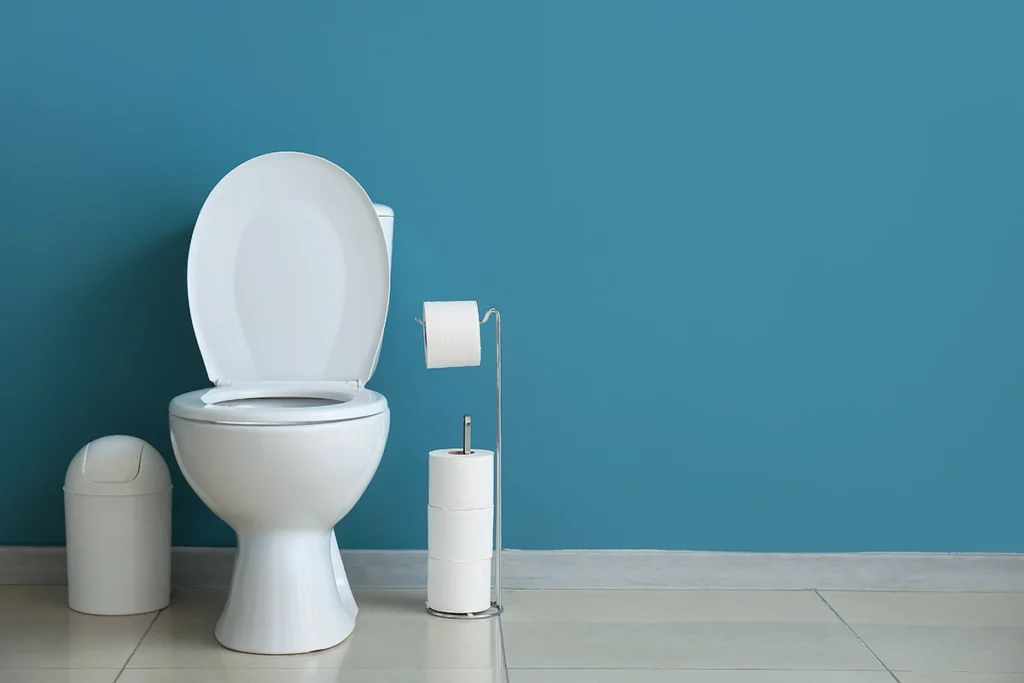
Stop flushing when a toilet bowl rises instead of draining. Do not test it with another flush. If the toilet’s accessible supply shutoff operates normally, close it gently to stop additional refill water; do not force a corroded valve. The shutoff cannot stop sewage returning from a blocked shared drain.
Keep the Area Safe
Keep people and pets away from overflow and avoid contact with wastewater. Do not step into water near electrical equipment. If sewage appears in several fixtures or keeps rising with the toilet supply off, stop adding wastewater elsewhere and arrange professional help. Describe whether tubs, showers or floor drains are affected too.
When a Plunger May Be Appropriate
For an isolated toilet clog with enough space in the bowl and no chemical drain cleaner present, a toilet plunger is an appropriate first tool. Kohler’s troubleshooting instructions specify plunging for a blockage. Keep the rubber cup submerged, seat it over the outlet, and begin gently to avoid splashing. Stop if water rises, the fixture leaks or the effort does not restore drainage. Follow the toilet manufacturer’s instructions for the model.
Do not add boiling water, chemical drain opener, bleach mixtures or an improvised wire tool. If chemicals were already used, tell the plumber what product and when; do not plunge or dismantle the fixture and risk splashes. Clearing tools and toilet removal require the right equipment and contamination controls.
Clearing and Repair Answer Different Problems
A plumber determines whether the obstruction is within the toilet or farther along the line. Removing an obstruction does not establish that damaged piping or another underlying problem has been repaired. For urgent backups, discuss emergency plumbing. Ask about the response window rather than assuming immediate technician dispatch. Clog Heroes answers calls 24/7; that is not a promise of round-the-clock onsite arrival.
Need Help Choosing the Next Step?
Describe the symptoms and confirm the service scope and response window before booking. Calls are answered 24/7 at (540) 518-2564.
Filed under Toilets · All Guides
More Toilets Guides
Toilet Leaking at the Base? Why the Wax Ring or Flange Fails and the 10-Step Fix
Every flush makes a leak at the base of a toilet worse. The cause is usually a failed wax ring or a damaged flange, and the repair runs 10 steps.
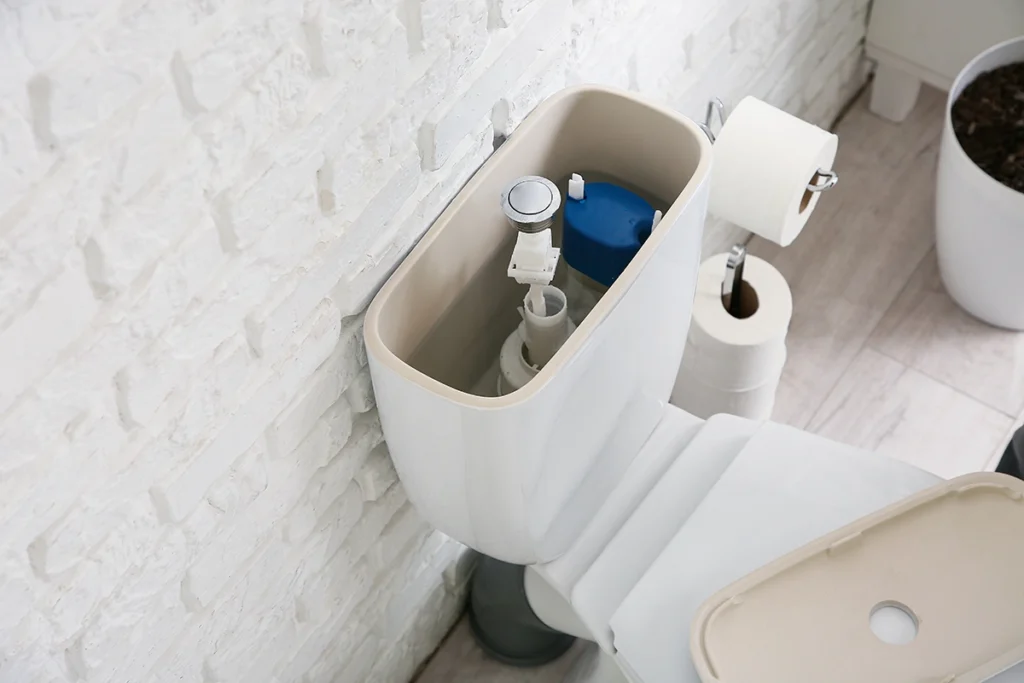
Six Toilet Tank Parts: What Each One Does and How to Tell Which One Failed
Most running, slow-filling and weak-flushing toilets trace back to one of six parts inside the tank. Each part fails with its own symptom, so the symptom points to the part.
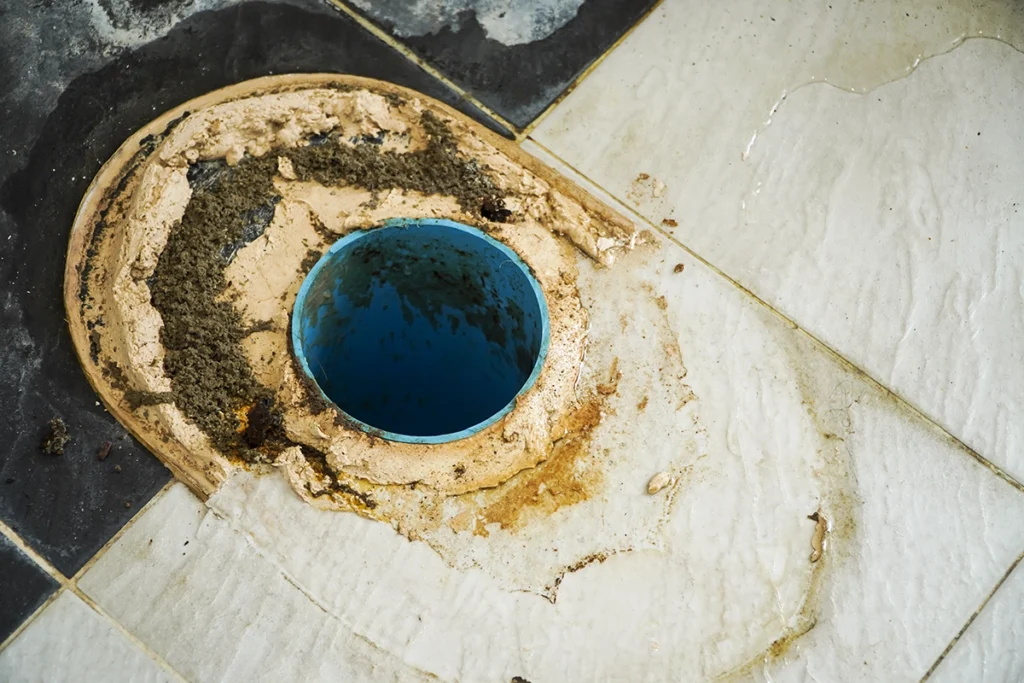
Offset Toilet Flange: When It Solves the Problem and When It Creates a New One
An offset flange shifts a toilet a short distance to fit a rough-in that's off, and it narrows the flow path in the process. That trade-off decides whether it's the right part or an alternative fits better.