Footing Drains: How They Keep Groundwater Out of Your Basement and the Signs You Need One
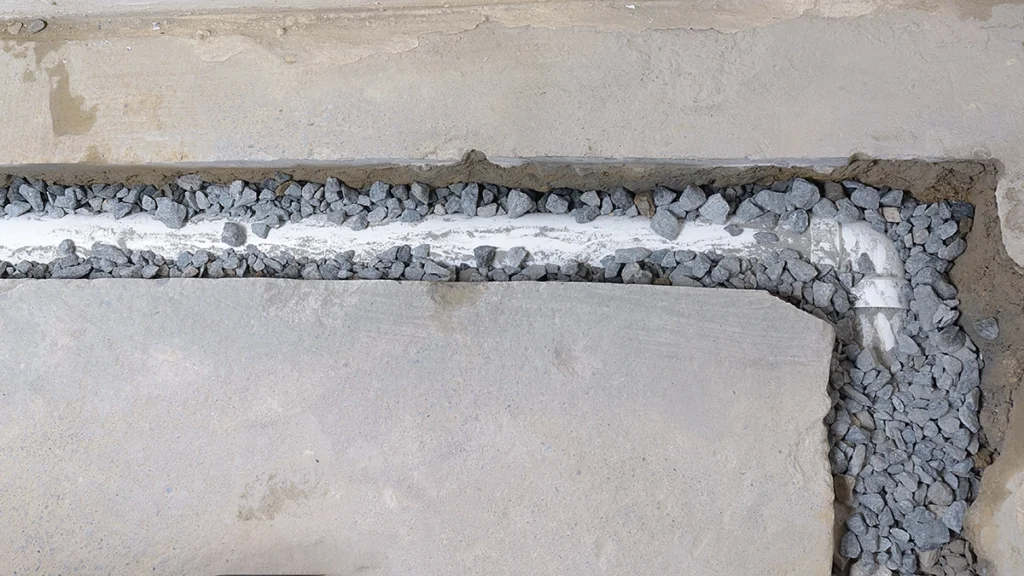
A footing drain is a perforated pipe in gravel along the base of your foundation. It collects groundwater and carries it away before it reaches the basement. Footing drainage can overlap with French-drain designs. Retrofitting requires a site-specific drainage and foundation assessment.
Basement or Crawl-Space Water: Find the Source First
Water below a home can come from a leaking supply pipe, a leaking drain, surface runoff, groundwater or condensation. Timing helps narrow the investigation: water appearing when a fixture runs deserves a plumbing check; water after rain may require foundation and site-drainage investigation. Neither pattern proves the source without inspection.
Keep away from standing water near electrical equipment and suspected sewage. If an active supply leak is visible, use an accessible house shutoff only from a safe, dry location. Red Cross flood safety warns against entering flooded areas or using submerged electrical equipment.
French Drains, Footing Drains and Moisture Control
A French drain collects water through an underground drainage system. Foundation or footing drainage describes where the drainage works and what it protects; these terms can overlap rather than identify wholly unrelated systems. NDS foundation-drainage guidance discusses perimeter drains for groundwater near basement and crawl-space walls. An interior collection system may discharge through a sump pump; an exterior system needs a suitable designed outlet.
A drain does not repair a leaking supply pipe. A vapor barrier or encapsulation controls moisture differently from collecting liquid water, and cannot substitute for locating an active leak. A foundation/drainage specialist may be needed for grading, waterproofing or structural work. Confirm the contractor’s scope before booking; this guide does not establish that Clog Heroes installs French drains or encapsulates crawl spaces.
Water intrusion is one of the most common and costly threats to a home’s foundation. If you’ve experienced a damp basement or noticed water pooling around your home after a rainstorm, the issue might be poor drainage. One of the most effective solutions is a footing drain.
What Is a Footing Drain?
A footing drain is a type of perimeter drainage system installed at the base of a home’s foundation. Its purpose is to collect and redirect groundwater away from the structure before it can seep into the basement or crawl space.
Typically made from perforated PVC or corrugated plastic piping, footing drains are installed alongside the home’s footing—the concrete base that supports the foundation walls. The drainpipe is surrounded by gravel and often wrapped in a filter fabric to prevent soil and sediment from clogging the system.
How Does a Footing Drain Work?
The footing drain lies at the lowest point around your foundation. When rainwater or groundwater builds up in the soil, it naturally flows toward this low point. The perforated pipe collects the water and carries it to a safe discharge point, such as a storm sewer, dry well, or daylight drain downhill from the house.
A suitable drainage system can reduce water accumulation near the foundation. It does not guarantee that cracks, leaks or structural damage cannot occur.
Why Homes in Fredericksburg Need Footing Drains
Here in Fredericksburg, VA, our region is no stranger to heavy rainfall, clay soil, and sloped lots—all of which contribute to water pooling around home foundations. If your home lacks a proper footing drain, you may face recurring issues like:
- Damp or musty basements
- Mold or mildew growth
- Wall or floor cracks
- Erosion around your foundation
- Flooding after storms
A well-designed footing drain system helps prevent these problems before they start, providing long-term protection and peace of mind.
Signs You May Need a Footing Drain
Not every home comes with a footing drain, especially older properties. If you’re unsure whether your home has one—or if your current drainage is failing—look out for the following signs:
- Standing water near the foundation
- Water stains on basement walls
- Wet basement carpeting or flooring
- Efflorescence (white, chalky residue) on basement walls
- Foundation cracks or settling
If any of these are present, it’s time to consult a professional drainage expert.
Footing Drain vs. French Drain: What’s the Difference?
Footing drainage describes a system near the foundation footing. French drainage describes an underground collection approach; it can be used near a foundation or elsewhere. The terms can overlap. Location, collection design and the discharge route matter more than the label alone.
Can a Footing Drain Be Installed After Construction?
Yes—but it’s more labor-intensive than installing one during the initial build. Retrofitting a footing drain involves excavating around the home’s foundation, which can be costly and disruptive. The drainage and foundation specialist should assess the cause, safe excavation plan and outlet before proposing a retrofit.
Maintaining Your Footing Drain System
Like any plumbing or drainage system, footing drains require occasional maintenance to stay effective. Over time, debris, silt, or root intrusion can clog the pipe and compromise its performance.
Here’s how to maintain your drain:
- Make sure gutters and downspouts are clear and properly directed away from the home.
- Avoid planting trees or shrubs with aggressive roots near the foundation.
- Have the responsible drainage contractor assess access and the appropriate maintenance method before attempting to flush an underground system.
- Watch for signs of water backup or reduced drainage performance.
If your system is older or wasn’t installed with proper filtering materials, it may be more prone to clogging and require professional inspection.
Final Thoughts on Footing Drains
A footing drain is one of the most essential systems for protecting your home’s foundation and basement from water damage. If your home doesn’t have one—or if your existing system is failing—addressing the issue now can save you from far bigger headaches down the line.
Damp Basement After Every Rain?
Tell Clog Heroes whether you see a plumbing leak or water after rain so the team can confirm the appropriate service. Calls are answered 24/7 at (540) 518-2564.
Filed under Drains · All Guides
More Drains Guides
Can Pop-Up Emitters Cause Frozen Pipes?
Outdoor drainage can freeze when water remains in it. Identify the affected system before blaming a yard outlet for an indoor plumbing problem.
Drain Grates: Match the Cover to the Drain and Traffic
Drain grates admit runoff and cover drainage openings. Match dimensions, material and load rating before replacing a damaged cover.
Drain Jetting Versus Snaking: How the Right Method Is Chosen
The best method depends on the line and the problem. Clearing an obstruction and cleaning the pipe are different jobs.