Heat Pump Water Heater vs. Tankless: Compare Demand, Space and Total Cost
These technologies solve different installation problems. Compare rated hot-water delivery and the complete job, not just a claimed efficiency or endless-water promise.
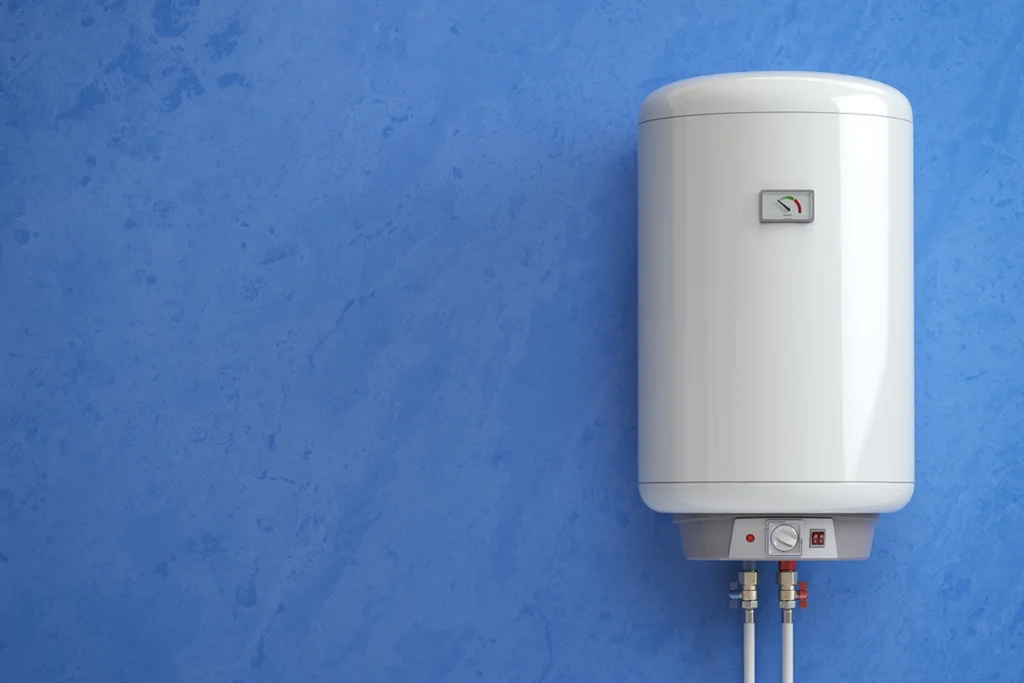
A heat-pump water heater and a tankless heater can both be alternatives to a conventional tank, but they produce and deliver hot water differently. Neither is automatically the best choice for every Fredericksburg home. The installation space, energy supply and timing of hot-water use can matter as much as the equipment itself.
How the Two Technologies Work
A heat-pump water heater transfers heat from surrounding air into water stored in a tank. Many models also have resistance heating for selected modes or high demand. A tankless heater heats water as it passes through the appliance instead of storing the main supply in a tank. Gas and electric tankless equipment have different infrastructure requirements.
ENERGY STAR’s heat-pump explanation explains the air-to-water process. Heat-pump storage is not the same as electric resistance tankless heating; compare the actual product types rather than treating every electric heater as equivalent.
Will It Meet Your Household’s Demand?
For a storage model, compare the tank capacity and first-hour rating: the estimated hot water it can supply in an hour beginning with a fully heated tank. For a tankless model, compare gallons per minute at the required temperature rise. ENERGY STAR defines these delivery measures.
A heat-pump tank can deliver stored hot water to several fixtures, but repeated large draws require recovery. A tankless unit can continue heating while demand stays within its capacity, but adding simultaneous showers may exceed its rated flow. Demand heating does not remove the time needed for water to travel to a distant faucet.
Record overlapping showers, baths, laundry and other use. Compare winter inlet-water conditions for tankless sizing. For heat-pump storage, ask how the proposed capacity and operating mode meet the peak use period. Choosing equipment without that demand check can leave either system short.
Does the Installation Space Fit?
ENERGY STAR’s design guidance covers heat-pump air supply, ambient conditions, condensate, noise and tank sizing. The fan and compressor can affect the surrounding room. Use the chosen model’s requirements; a small closed closet or cold space cannot be assumed suitable.
Tankless equipment saves tank-floor space, but it still needs service access and an appropriate installation. The DOE tankless transition guide discusses sizing and retrofit requirements. Gas supply, venting and electrical capacity can require changes. A smaller appliance is not proof of a cheaper conversion.
Before deciding, ask the installer to document the available space, energy supply, drainage and access, along with every proposed upgrade.
Compare Purchase Price and Operating Cost Separately
Request an installed price for each suitable option, including infrastructure work. Then compare the model’s efficiency information, expected demand, local energy prices and maintenance. A higher equipment price does not establish payback, and an efficiency rating does not guarantee a particular utility-bill saving.
Fuel choice affects operating cost and on-site combustion. Actual environmental effects also depend on energy use and the electricity supply. Compare the same hot-water requirement rather than relying on a blanket claim that one technology is always greener.
Ask what service tasks the model requires, what they cost and what the warranty covers. Tankless systems may require water-quality and descaling maintenance. Heat-pump equipment has its own air-filter and condensate requirements. Follow the particular manual instead of assuming either system is maintenance-free.
What About Lifespan?
Rheem’s repair-versus-replacement guidance gives broad planning ranges of about 8–12 years for conventional tanks and 15–20 or more for tankless equipment with care. That does not establish an exact heat-pump lifespan, a Clog Heroes warranty or a promised replacement date.
Compare the actual warranty, maintenance requirements and repairability of the proposed models. Existing installation conditions and service history matter. A longer projected life is useful only when the equipment meets the home’s demand and can be properly maintained.
Which Questions Should Decide the Choice?
Ask whether you have adequate room and air conditions for heat-pump storage, whether tankless conversion needs major supply changes, and how each model meets your busiest hot-water period. Compare written total costs and maintenance before selecting a brand.
Clog Heroes offers water heater installation and tankless service. Confirm heat-pump project scope with the team; this comparison does not establish a new client service offering. Choose the system after the property and proposed work have been assessed.
Comparing Water Heater Options?
Bring your household demand and current heater details to a replacement discussion. Confirm the team’s scope for a heat-pump installation before choosing equipment. Calls are answered 24/7 at (540) 518-2564.
Filed under Water Heaters · All Guides
More Water Heaters Guides
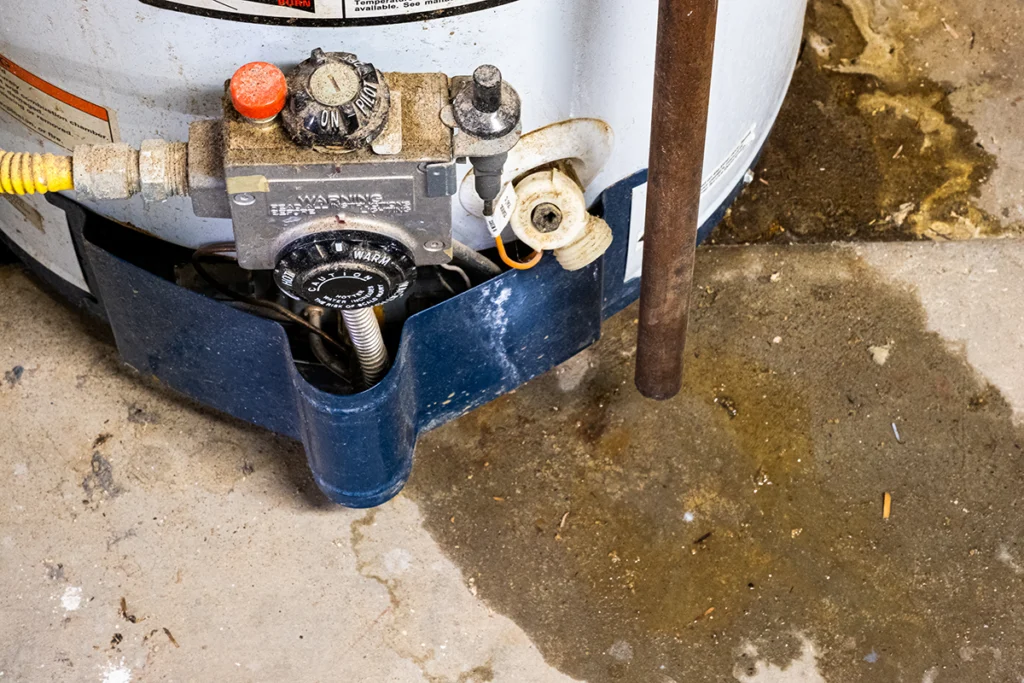
Can You Install a Water Heater Without a Drain Pan?
A working heater does not prove the installation can omit a pan. Check the equipment instructions and the requirements for the specific job.
How to Shut Off and Drain a Water Heater: Model-Specific Steps and Safety Limits
Identify the heater and the reason for stopping it first. Shutdown, draining and restart are separate tasks; use the exact model instructions.
Why You Might See “Salt” Around a Water Heater
White residue is a clue, not a diagnosis. Look for fresh moisture and have the source checked before choosing a repair.