How to Shut Off and Drain a Water Heater: Model-Specific Steps and Safety Limits
Identify the heater and the reason for stopping it first. Shutdown, draining and restart are separate tasks; use the exact model instructions.
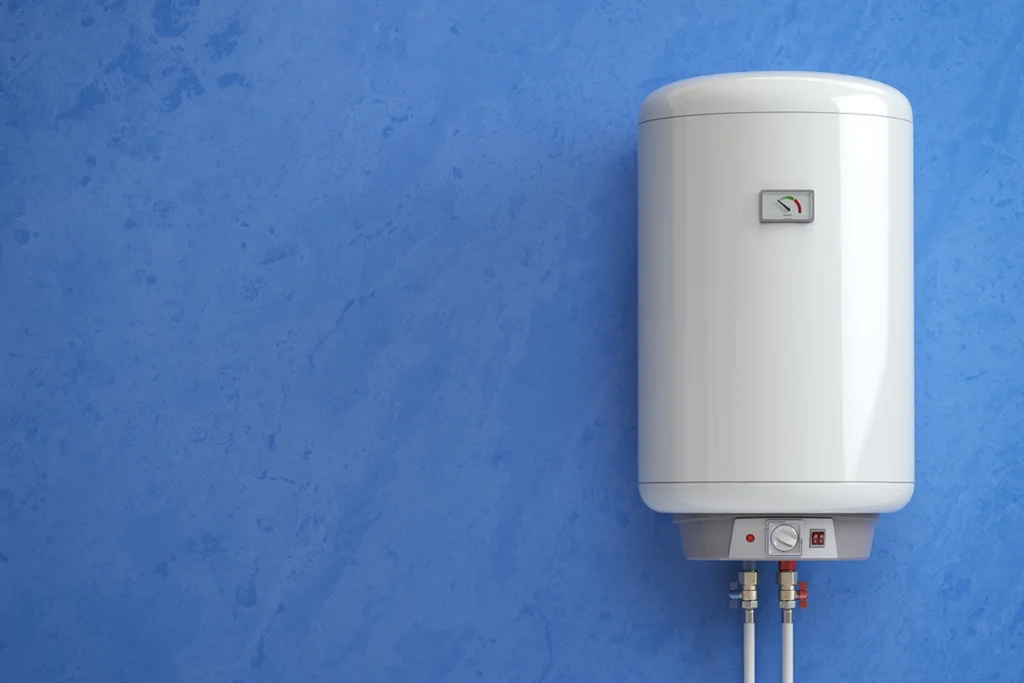
Stopping a water heater means stopping its heat source under its own instructions. It does not instantly cool the stored water, drain the tank or make electrical and gas components safe to work on. Whether the reason is a leak, maintenance or a trip away, identify the model before choosing a procedure.
Deal With an Emergency Before Finding a Switch
For a carbon-monoxide alarm, smoke or fire, leave the building and call 911 from a safe location. For a suspected gas leak, leave, call 911 from outside and contact the gas utility emergency line. Do not light an appliance, operate electrical switches or use a phone inside a suspected gas leak. A. O. Smith’s gas-heater manual states these precautions for the models it covers.
Water around a panel or powered equipment is also a reason to stay clear. Do not cross standing water to reach a breaker or heater. An active leak should be assessed promptly, but rushing into an unsafe shutdown can create another hazard.
Gas and Electric Shutdown Are Different
Locate the model label and the manufacturer’s instructions from a safe position. Explain whether you want a temporary pause, complete shutdown for a repair or draining. Those jobs do not necessarily use the same control position.
For a gas heater, the appliance gas control, any separate supply shutoff and an electrical connection serve different purposes. The technician follows the model’s shutdown instructions and verifies the heat source is stopped before service. A pilot setting is not the same as complete gas isolation. Do not disconnect gas piping, adjust a burner or copy a lighting sequence from another heater.
For an electric heater, reducing the thermostat is not electrical isolation. The correct identified circuit must be isolated and its condition verified before internal work. Leave covers, live testing and uncertain circuits to a qualified professional. Hybrid and electronically controlled gas equipment may also use electricity, so a fuel label alone is not the whole shutdown plan.
If the manufacturer permits an owner shutdown using an identified accessible control, follow those instructions exactly only when conditions are safe and you understand them. If a valve sticks or the control is unclear, stop and call. Never force a fitting or bypass a safety device.
How Professional Tank Draining Works
Draining may be part of repair or scheduled sediment maintenance. It is not the right first action for every leak. Hot water can scald, and a drain valve or hose route can create a new flood. Bradford White’s draining guidance recommends professional help and the installation manual.
A professional draining visit generally follows this sequence:
- Identify the heater, reason for draining and exact service instructions.
- Stop and isolate the appropriate energy sources; allow the water to reach a safe temperature.
- Establish the permitted water-supply isolation and a controlled discharge route that can safely receive the water.
- Connect suitable drainage equipment and provide the model-specified air entry so water can leave the tank.
- Open the drain in a controlled way and monitor the discharge. A clogged or leaking drain valve needs assessment, not force.
- Complete the intended repair or flushing, then close and secure the drainage connections.
- Refill, remove trapped air, inspect for leaks and verify a full tank before restoring the heat source under the manufacturer’s procedure.
This is a service overview, not a universal valve-opening sequence. Tankless flushing uses a different arrangement and cannot be replaced by instructions for draining a storage tank. Do not use the relief valve as an improvised drain or obstruct its discharge.
Restart, Cooling and Vacation Questions
There is no single cooling time for every tank. Capacity, starting temperature and conditions affect how long hot water remains; turning the heat off does not prove the water is safe to drain.
Do not energize an empty tank or restart a heater whose failure is unresolved. After servicing, a qualified person confirms filling, connections, safety controls and operation. Gas lighting follows the exact label and instructions, not a repeated attempt to overcome a shutdown.
For travel, consult the model’s vacation or operating guidance rather than automatically shutting off all supplies. Ask about freeze protection and restart before leaving, particularly for tankless equipment. A stuck water valve should be inspected rather than forced.
Clog Heroes provides water heater repair and maintenance. Calls are answered 24/7; after-hours visits depend on availability. Describe the conditions so the team can help establish the appropriate next step.
Need the Heater Stopped for a Repair?
Describe the leak or equipment problem when you call. For suspected gas, carbon monoxide or fire danger, leave and call emergency services from a safe location first. Calls are answered 24/7 at (540) 518-2564.
Filed under Water Heaters · All Guides
More Water Heaters Guides
Can You Install a Water Heater Without a Drain Pan?
A working heater does not prove the installation can omit a pan. Check the equipment instructions and the requirements for the specific job.
Heat Pump Water Heater vs. Tankless: Compare Demand, Space and Total Cost
These technologies solve different installation problems. Compare rated hot-water delivery and the complete job, not just a claimed efficiency or endless-water promise.
Why You Might See “Salt” Around a Water Heater
White residue is a clue, not a diagnosis. Look for fresh moisture and have the source checked before choosing a repair.