Plumbing Guides From Clog Heroes
Page 6 of 7
Straight answers on the drain, sewer, water heater, well and toilet problems we see in Fredericksburg-area homes.
All Guides, Page 6
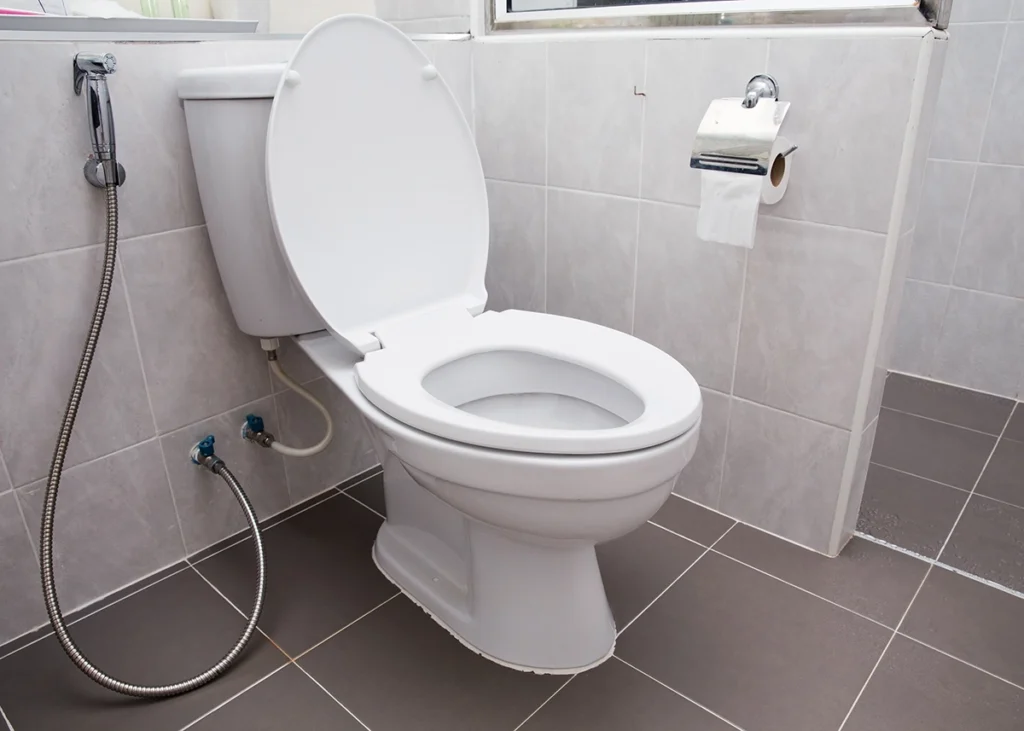
Pressure-Assisted vs Gravity-Fed Toilet: Flush Power, Water Use, Noise and Cost Compared
Gravity or compressed air? A standard toilet flushes with the weight of the tank water, while a pressure-assisted toilet adds compressed air. The two differ on power, water use, noise, upkeep and price.

Bathroom Smells Like Sewage? Six Causes, From a Dry P-Trap to a Failed Wax Ring
From a dry P-trap to a failed wax ring, most bathroom sewage smells trace to one of six causes. Some you can fix yourself. The rest need a plumber.
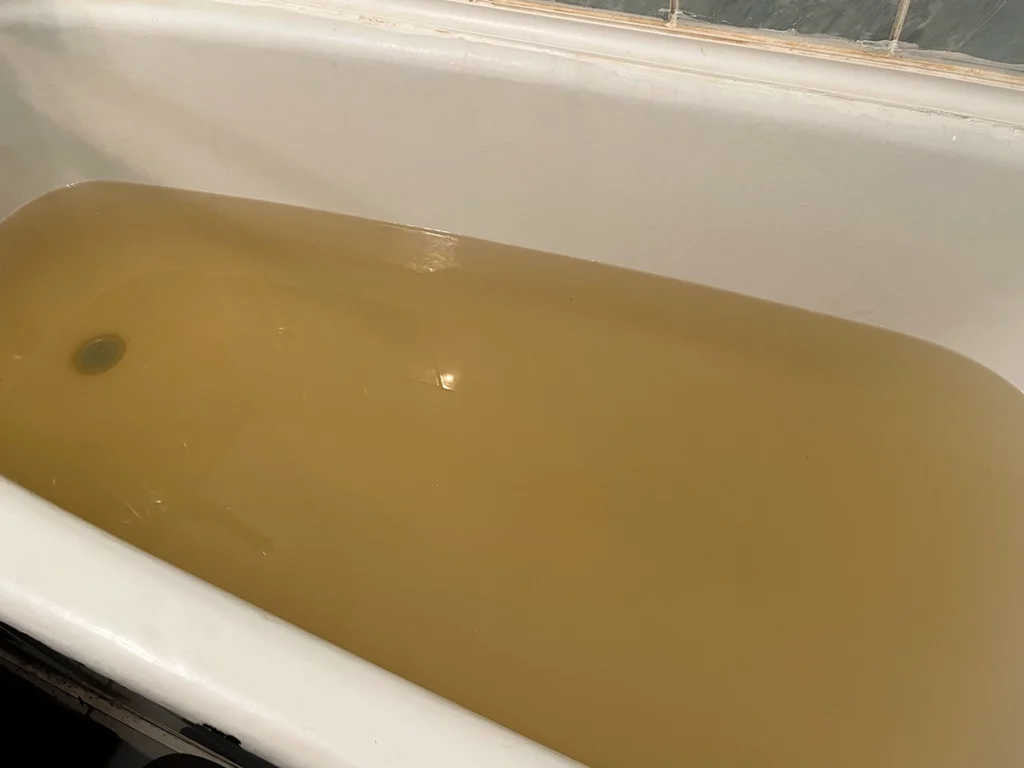
Toilet Draining Into the Tub? What a Shared-Line Clog Means and How It's Fixed
Your toilet, sink and tub usually share one waste line. When it clogs below the toilet connection, a flush pushes wastewater up into the tub. Older homes see it more often, and a plumber has four ways to fix it.
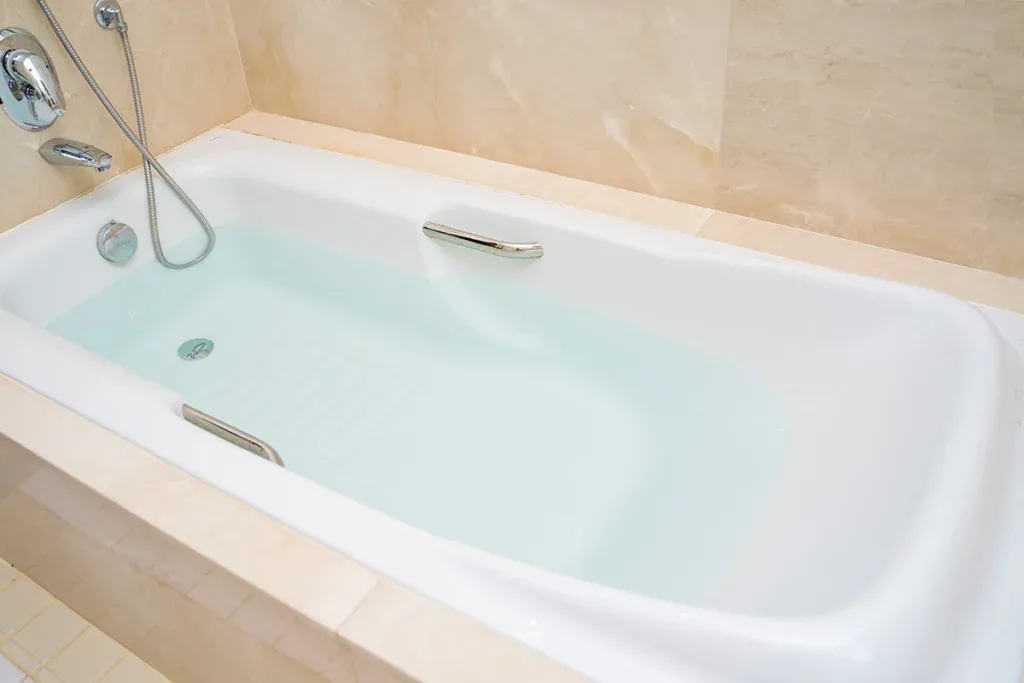
Bathtub Not Draining? Three Fixes to Try Before You Call a Plumber
Most slow tubs clear with a gloved hand, a plunger or a baking soda and vinegar flush. The culprit is usually hair, soap scum, hard-water scale or a lost bottle cap. When all three fixes fail, the clog sits deeper in the line.
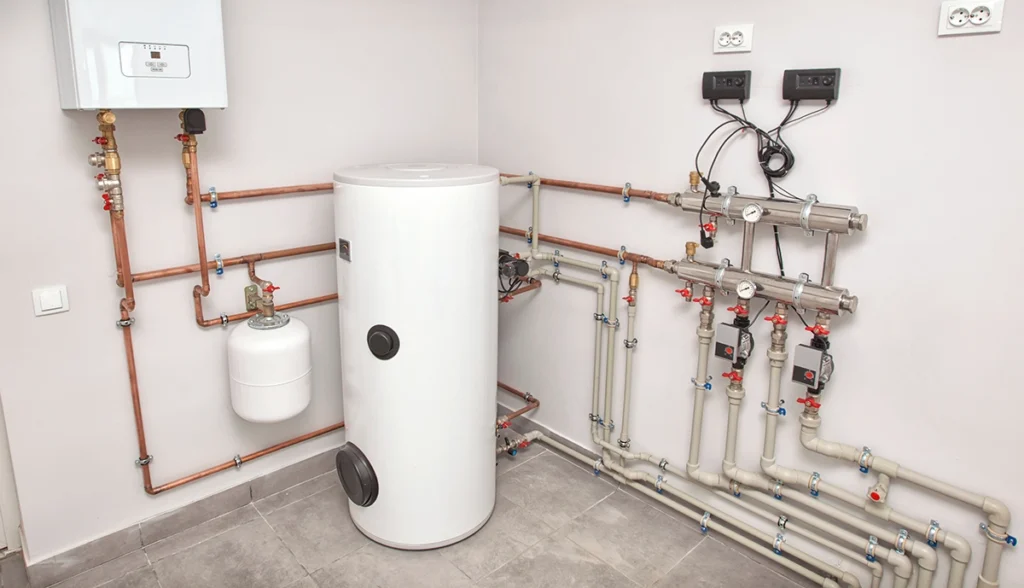
Water Heater Elements Last 6 to 10 Years. Here Are the Signs Yours Is Done
Lukewarm showers, hot water that runs out fast and a breaker that keeps tripping can all point to a failing element. Elements last 6 to 10 years, less with hard water.
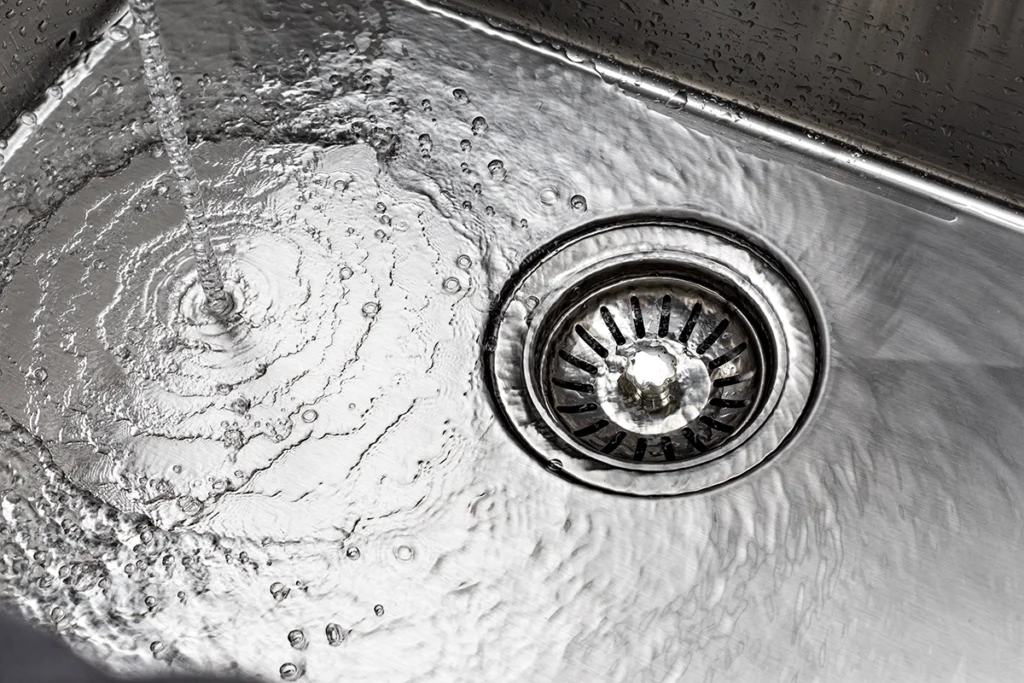
Smelly Sink Drain? Five Causes and Six Fixes You Can Try Today
Food, grease, a dirty P-trap and biofilm cause most sink odors, and most clear with boiling water, baking soda and vinegar or a drain brush. A sewage smell is different. It means the problem is deeper.
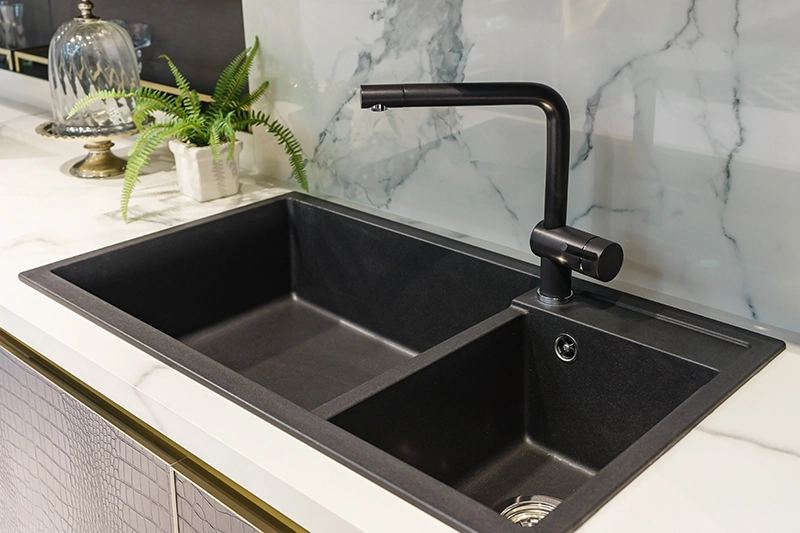
The Parts of a Kitchen Sink, From the Shut-Off Valves to the P-Trap
A kitchen sink is four systems working together: the basin, the water supply, the drain and the disposal. Knowing which part does what tells you whether a drip or a clog is a quick fix.
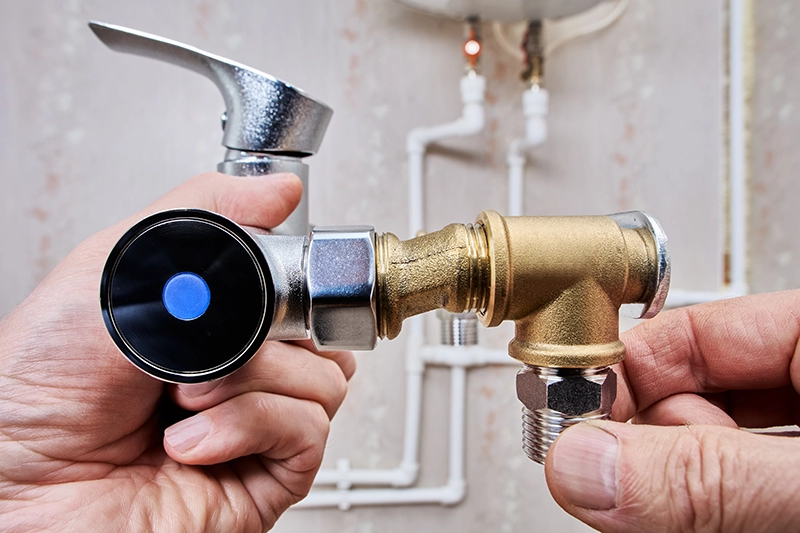
Reducer Fittings: Why Pipe Size Changes Matter and When to Use One
Pressure problems, leaks and poor flow can all start where two pipe sizes meet without a reducer. The fitting joins them so water keeps flowing smoothly, and some installs are a job for a pro.
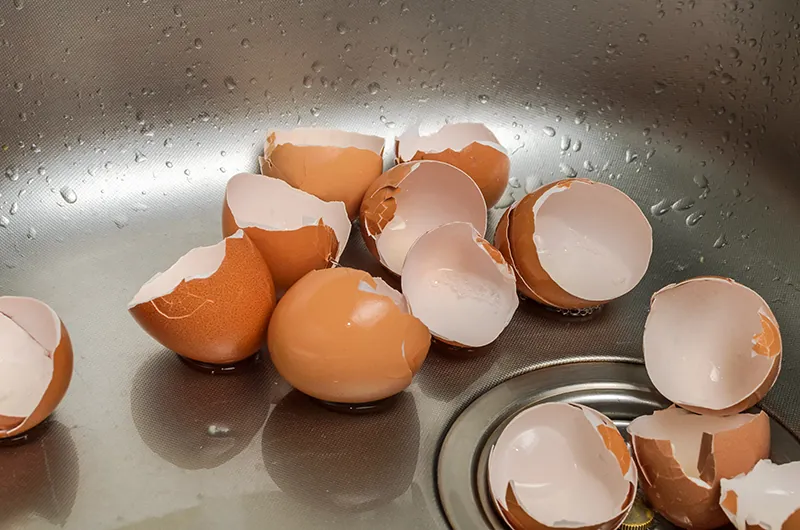
Egg Shells in the Garbage Disposal: Why They Don't Sharpen Anything and Can Clog the Drain
Egg shells can't sharpen disposal blades, because a disposal has no blades. It grinds with impellers, and shells break into gritty bits while the membrane wraps around the parts. A compost bin is the better home for them.
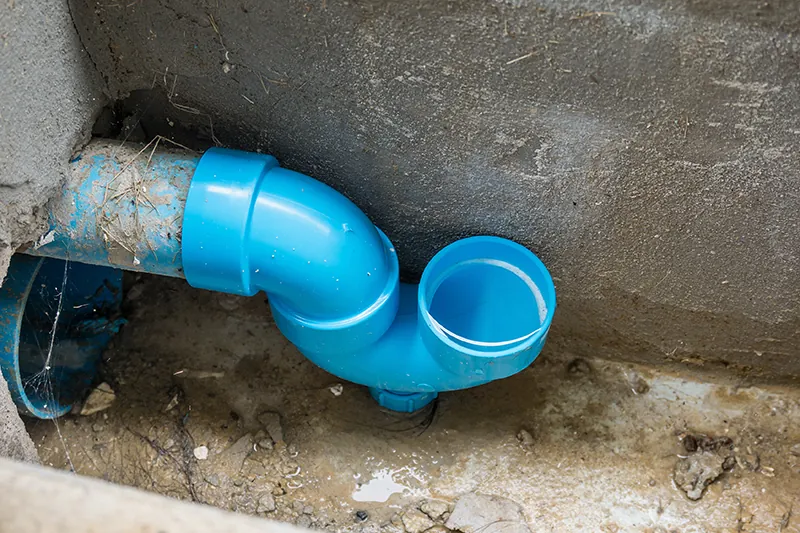
What Is a House Trap? How This Old Sewer Fitting Causes Backups and Odors
Many older Fredericksburg homes have a house trap, a U-shaped fitting where the sewer line leaves the house. It was built to block sewer gas. It also catches grease and debris, which is how it ends up behind backups and smells.
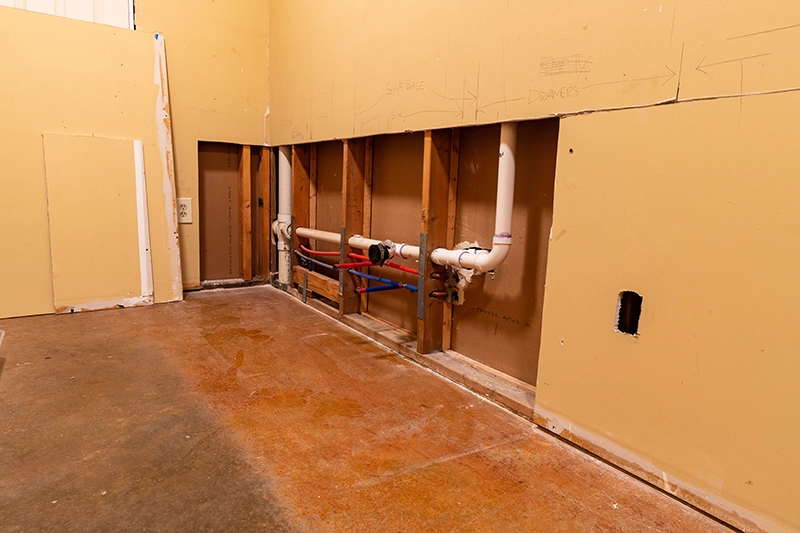
Five Ways to Protect a PVC Pipe Behind Drywall Before a Nail Finds It
A drywall screw or picture nail can puncture a PVC pipe you can't see. Metal plates, insulation and proper supports keep it safe, and a quick check now and then catches trouble early.
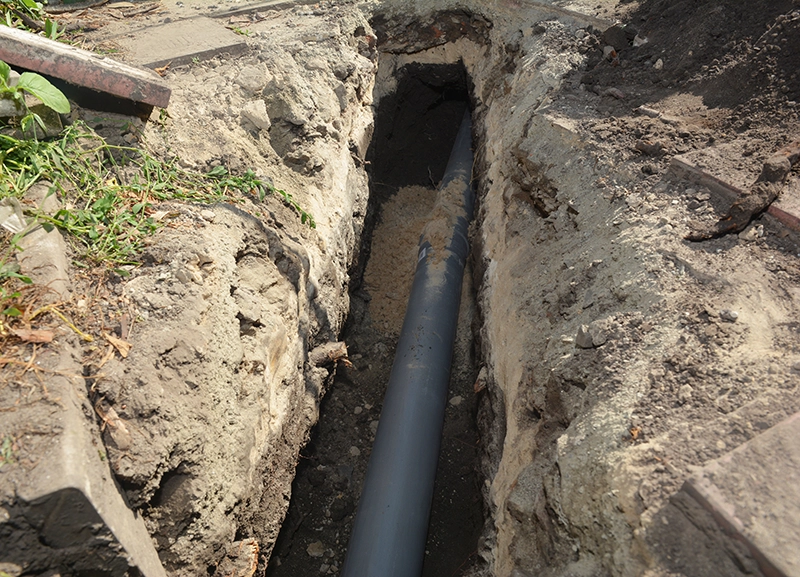
Unshielded Sewer Line Coupling: When a Rubber Coupling Works and When It Won't
An unshielded coupling is a rubber sleeve clamped over two pipe ends. It flexes to join pipes that don't line up, such as PVC to cast iron. That same flex lets it shift where the ground moves.