The Seven Parts Inside a Tank Water Heater and What Each One Does
A tank water heater has seven main parts, from the dip tube to the drain valve. Knowing what each one does helps you match a symptom to the part behind it.
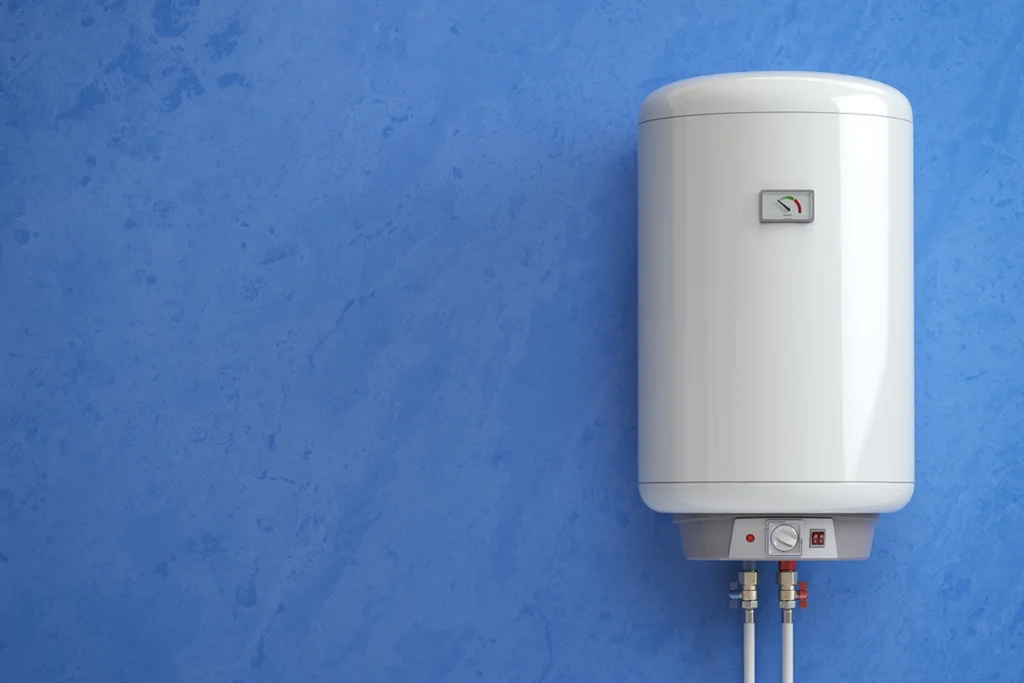
When hot water stops flowing the way it should, most homeowners are left wondering what went wrong. The best place to start is by understanding the parts of a water heater and how they work together. Whether you have a traditional tank-style unit or a tankless system, every water heater has essential components that keep hot water ready for your daily needs. At Clog Heroes, we help families in Fredericksburg, VA maintain, repair, and replace water heaters so you’re never stuck with a cold shower.
Why Knowing the Parts of a Water Heater Matters
A water heater isn’t something most people think about until it breaks. But when you know the main parts of a water heater, it becomes easier to recognize warning signs, explain problems to a technician, and make smarter decisions about maintenance or replacement. Just like learning the parts of your car can save you from roadside trouble, knowing what’s inside your water heater can prevent costly emergencies.
Main Parts of a Tank-Style Water Heater
Tank-style heaters are the most common in Fredericksburg homes. They store hot water inside a large insulated cylinder and keep it ready until you need it. Here are the essential parts of a water heater you should know:
1. Tank
The tank is the large metal cylinder that holds water, usually ranging from 30 to 80 gallons. It’s lined with a protective glass or enamel coating to prevent rust and wrapped in insulation to keep heat inside.
2. Dip Tube
Cold water enters the tank through the dip tube. This tube directs incoming cold water to the bottom of the tank so the heating elements or gas burner can warm it efficiently.
3. Heating Element or Gas Burner
- Electric water heaters use one or two electric heating elements (like giant versions of stovetop burners) to heat the water.
- Gas water heaters use a burner at the bottom of the tank, powered by natural gas or propane, with a flame that heats the water directly.
4. Thermostat
The thermostat monitors water temperature and signals the heating element or burner to turn on or off. Settings and adjustment procedures depend on the model. Ask a qualified technician about the delivered temperature and the appropriate setting for your installation.
5. Anode Rod
This metal rod, often made of aluminum or magnesium, is called a “sacrificial anode.” It attracts corrosion so that the tank lining doesn’t rust. Replacing the anode rod every few years can dramatically extend your water heater’s life.
6. Pressure Relief Valve
Safety is critical. The temperature and pressure relief (T&P) valve releases water if the tank’s pressure gets too high. Without it, tanks could overheat and become dangerous.
7. Drain Valve
Located near the bottom of the tank, this valve allows you or a technician to drain the tank. Flushing the tank once a year removes sediment buildup and improves efficiency.
Additional Parts of a Tankless Water Heater
Tankless water heaters work differently, heating water only when you need it. Instead of a storage tank, they rely on high-powered heating coils. While they have fewer parts, the components are just as important.
- Heat Exchanger – Rapidly heats cold water as it passes through the unit.
- Flow Sensor – Detects when water is running and signals the system to start heating.
- Control Panel – Allows temperature adjustments and error code displays.
- Exhaust Vent – Vents out combustion gases in gas-powered tankless units.
Understanding these parts of a water heater helps explain why tankless units are more efficient but also more complex when it comes to repairs.
Common Problems Linked to Specific Parts of Water Heater
Knowing the parts isn’t just about names — it helps identify issues before they get worse. Here are some examples:
- Rust-colored water – Often linked to a failing anode rod.
- Inconsistent hot water – Could be caused by a faulty thermostat or burned-out heating element.
- Strange noises – Rumbling or popping often means sediment has collected in the tank, affecting the heating element.
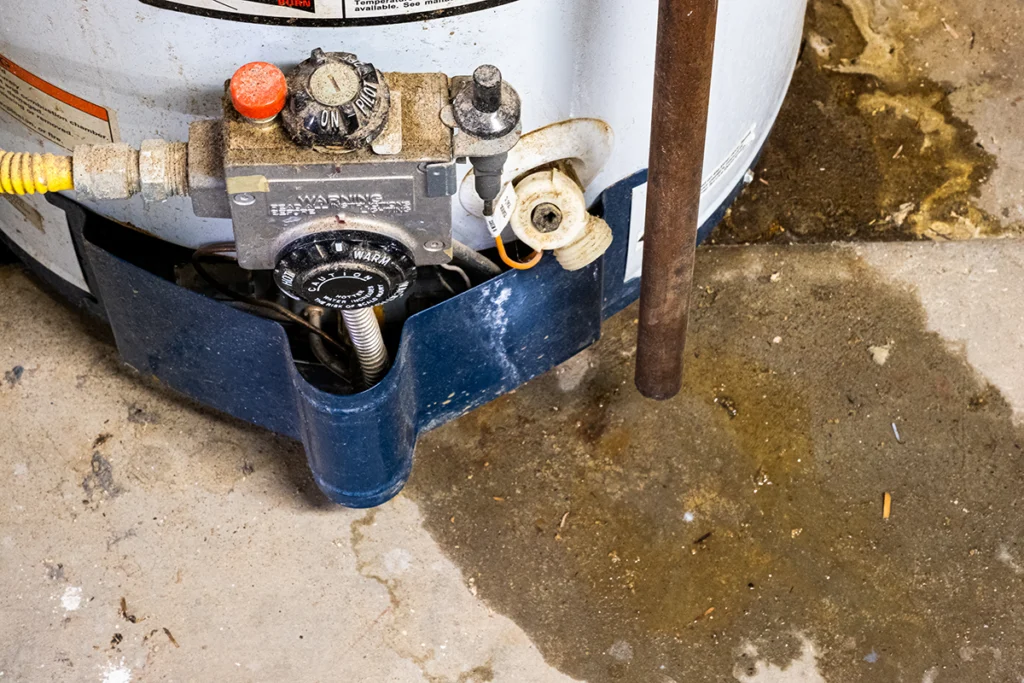
- Leaking from the top or bottom – Might point to loose connections or a corroded tank; the source needs inspection.
Recognizing these signs early allows you to call a plumber before the entire water heater fails.
Maintenance Tips for Water Heater Parts
Regular maintenance extends the life of your system and keeps it running efficiently. Here are some best practices:
- Flush the tank annually to clear out sediment buildup.
- Check the anode rod every 3–5 years and replace if it’s heavily corroded.
- Arrange safety-device inspection under the model-specific maintenance instructions; do not improvise a relief-valve test.
- Have temperature or control problems professionally diagnosed without opening live electrical components.
These simple steps can prevent breakdowns and keep your water heater in good condition for years.
When to Call a Professional
Even with a solid understanding of the parts of a water heater, most repairs and replacements require professional service. Handling high voltage electricity, natural gas, or pressurized tanks without training is risky. Licensed plumbers like our team at Clog Heroes have the tools, knowledge, and certifications to handle water heater problems safely.
Local Expertise You Can Trust
In Fredericksburg, VA, homes rely on dependable hot water year-round. At Clog Heroes, we specialize in water heater repair, replacement, and maintenance. Whether your thermostat is failing, your tank is leaking, or your system just isn’t keeping up, we’ll identify the issue and provide the right solution.
Dip Tube Trouble: What the Symptoms Can and Cannot Tell You
The dip tube carries incoming cold water toward the bottom of a tank-style heater. A. O. Smith describes that function on its gas-heater overview. A problem with that internal path is one possibility to investigate when usable hot water runs out unexpectedly, but a short hot shower does not identify a failed dip tube by itself.
A damaged or out-of-spec tube can allow cold water to dilute the hot-water supply instead of reaching its intended discharge point. Bradford White’s service manual lists this among possible causes of insufficient hot water and describes inspection and replacement for qualified service providers. If inspection confirms tube damage, the repair is replacement with the correct component, followed by reassembly and operation checks under the model’s service instructions. Other causes require different repairs; replacing the tube without diagnosis may leave the problem unchanged.
Tell the technician whether every hot tap is affected, whether the problem started suddenly and whether demand has changed. Heating components, controls and mixing problems also need assessment. Do not buy a dip tube based only on the symptom or assume the same part fits every heater. Use the model information to establish the correct diagnostic procedure and replacement part.
An internal dip-tube concern is different from water leaking outside the tank. Visible water needs its own source assessment. Leave disconnection, draining and internal part access to a qualified professional following the exact heater instructions.
Thermostat Settings, Efficiency and Maintenance
The thermostat controls when the heater adds heat; it does not tell you why hot water is missing. The setting, actual delivered temperature and condition of the heating system all matter. A failed heating element, control fault or mixing problem can resemble a thermostat issue.
DOE’s home energy checklist identifies 120°F as an energy-saving warm setting. That is a general recommendation, not an instruction to open electrical covers or disregard model instructions, household needs or a professionally designed mixing arrangement. Increasing the setting to compensate for a fault can increase scald risk without fixing it.
Ask the technician to compare the control setting with actual water temperature and assess the relevant heater components. Electric tank heaters may have more than one thermostat and element; gas and electronic controls use different procedures. Leave live electrical measurements and internal adjustment to a qualified professional. Use the specified maintenance schedule and record changes in temperature or recovery time.
Why a Water Heater Pilot Light Keeps Going Out
Only heaters with a pilot have a pilot-light problem. Some gas heaters use other ignition systems, and electric heaters have no gas pilot. Start with the model number and any visible status code rather than copying lighting instructions from a different unit.
A pilot that will not stay lit can involve its flame-sensing components or gas control. A pilot that goes out later can involve combustion air, venting or gas supply. Bradford White’s qualified-service troubleshooting manual distinguishes these patterns. These are possible causes to test, not a diagnosis from the symptom alone.
If the pilot goes out repeatedly, stop treating relighting as the repair. Tell the technician when it happens, whether other symptoms appeared and what the indicator shows. Diagnosis may lead to a correct component replacement, cleaning or correction of air, vent or supply conditions. Do not bypass safety controls, move a sensor, clean a gas orifice yourself or keep resetting a lockout. For gas odor or a carbon-monoxide alarm, leave and call emergency services from a safe location.
How Long Should a Hot Water Heater Last?
Rheem gives typical planning ranges of about 8–12 years for tank heaters and 15–20 or more for tankless heaters with proper care. These are estimates, not a deadline, warranty or promise for your unit.
Water conditions, usage, installation and maintenance affect the decision. Confirm age from manufacturer records or the serial-number instructions; do not assume every brand encodes a date the same way. Keep service records and note recurring leaks, reduced hot-water delivery or repeated component failures.
Repair can make sense when the tank is sound and a confirmed replaceable part has failed. A leaking tank, repeated faults or a costly repair on an aging unit may favor replacement. Compare written repair and replacement prices, remaining condition, household demand and the disruption of an unplanned failure. Maintenance can help, but it cannot guarantee extra years or reverse tank corrosion.
Final Thoughts
Understanding the parts of a water heater makes you a more informed homeowner and helps you spot problems early. From the dip tube and thermostat to the anode rod and pressure relief valve, each component plays a crucial role in delivering hot water safely and efficiently.
If your water heater is showing signs of trouble, don’t wait until you’re left with ice-cold showers. Call Clog Heroes today for expert water heater service in Fredericksburg, VA — we’ll keep your hot water flowing and your home comfortable.
Water Heater Acting Up?
A Clog Heroes technician tests the parts, finds the one that failed and gives you a written price before any work starts. Calls are answered 24/7 at (540) 518-2564.
Filed under Water Heaters · All Guides
More Water Heaters Guides
Can You Install a Water Heater Without a Drain Pan?
A working heater does not prove the installation can omit a pan. Check the equipment instructions and the requirements for the specific job.
Heat Pump Water Heater vs. Tankless: Compare Demand, Space and Total Cost
These technologies solve different installation problems. Compare rated hot-water delivery and the complete job, not just a claimed efficiency or endless-water promise.
How to Shut Off and Drain a Water Heater: Model-Specific Steps and Safety Limits
Identify the heater and the reason for stopping it first. Shutdown, draining and restart are separate tasks; use the exact model instructions.